OIndia Nationwide *SMSCOURIER
Compliance First

Prohibited Items Directory

Know restricted categories before booking pickup. Items can be rejected during inspection due to legal, safety, compliance, or carrier policy requirements.
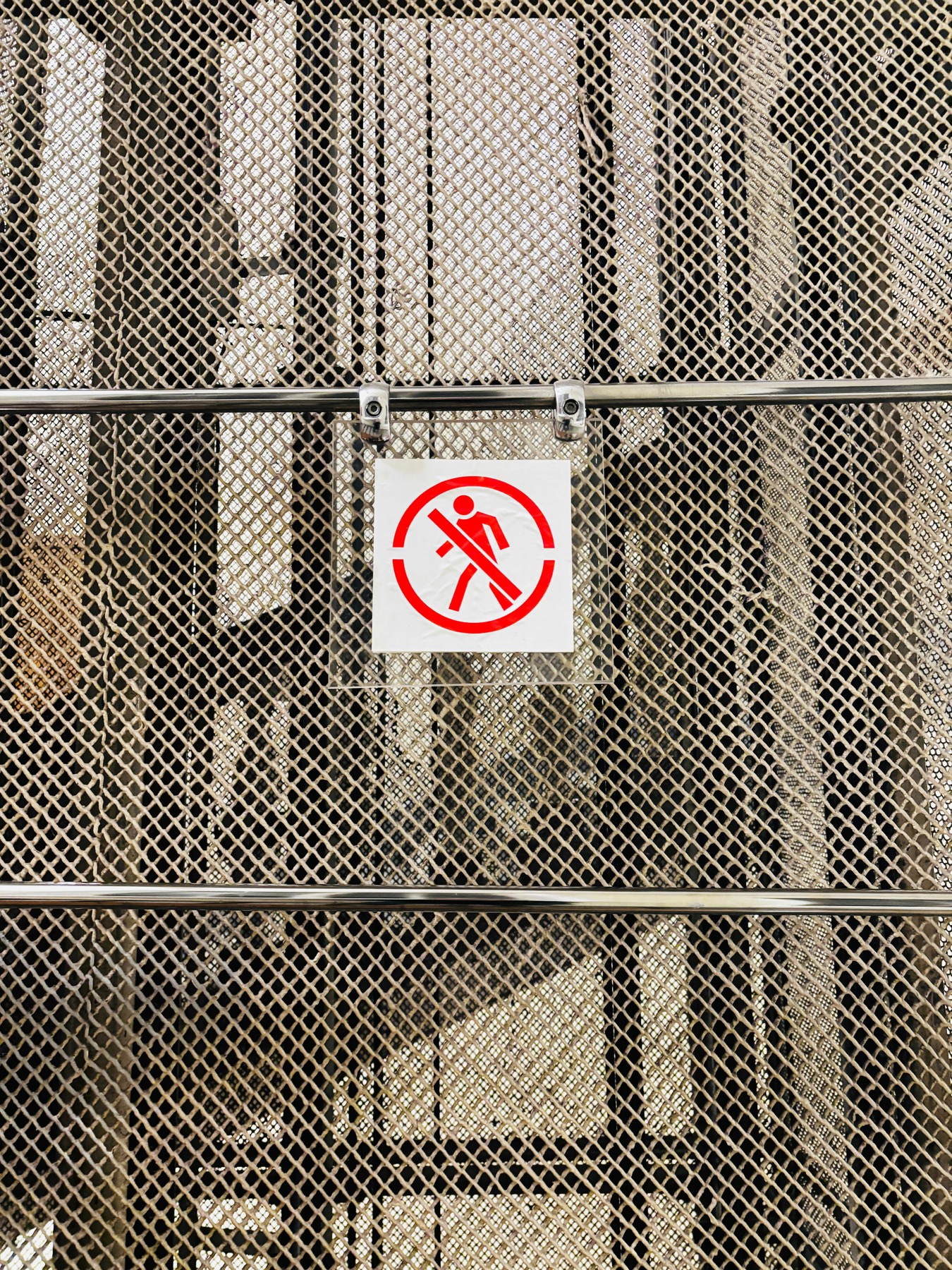
Important: Acceptance rules vary by destination and carrier partner. Final compliance check is mandatory.
9+Major restricted classes
200+Destination policy variants
24/7Pre-check support desk
100%Pickup screening process
Prohibited and restricted shipment warning illustration

Currency and Cash

Physical currency, bearer instruments, and cash equivalents are not accepted in standard lanes.

Security and legal risk

Explosives and Firearms

Explosive substances, ammunition, and weapon components are strictly prohibited.

Critical safety restriction

Hazardous Chemicals

Corrosive, flammable, toxic, or reactive chemicals cannot move through regular networks.

Dangerous goods compliance

Precious Metals and Stones

Gold, bullion, diamonds, and high-value gemstones require specialized security channels.

High-value security policy

Perishable Food

Spoilage-prone food or cold-chain-dependent goods are disallowed in general courier service.

Temperature control risk

Restricted Medicines

Controlled substances and prescription-regulated medicine need legal and destination approval.

Regulatory restrictions

Pressurized Containers

Aerosols, gas cartridges, and compressed cylinders are high-risk for transit handling.

Transport hazard

Counterfeit Goods

IP-violating products may be confiscated and trigger enforcement actions.

compliance and legal violation

Live Plants and Biologicals

Seeds, live plants, and biological material often need permits and biosecurity controls.

Biosecurity restriction

Risk and Documentation Matrix

Safety RiskExplosive, reactive, and compressed items are automatically rejected.
Legal RiskRestricted financial and IP-sensitive products need strict validation.
compliance RiskUnclear declarations may trigger hold, return, or seizure actions.
Carrier RiskEach lane has partner-specific acceptance and packaging requirements.

Safer Alternatives You Can Ship

Commercial DocumentsInvoices, certificates, and records in secure document packaging.
Non-Hazardous Consumer GoodsTextiles, books, accessories, and regular ecommerce parcels.
Approved Industrial SamplesNon-dangerous samples with compliant labeling and declarations.
Properly Packed Fragile GoodsEligible fragile categories with reinforced secure packaging.

Compliance Check Workflow

1. Item ScreeningCategory check against lane and partner restriction rules.
2. Document ValidationDeclared value, item nature, and invoice quality are reviewed.
3. Pickup VerificationField agent verifies package type before acceptance.
4. Dispatch ReleaseOnly compliant shipments enter transit and compliance flow.

Policy Clarifications

Only through specialized lanes with legal approvals, certified packaging, and partner acceptance for that destination.
Shipment is rejected and may be escalated for compliance reporting based on regulatory obligations.
Share item details with support before scheduling pickup so destination-specific acceptance can be verified first.

city-Sensitive Watchlist

United States LanesStrict scrutiny on supplements, biologicals, and declaration wording.
EU DestinationsHeightened checks on product compliance marks and invoice consistency.
North India RoutesAdditional controls on religious or cultural restricted categories.
National CorridorsLane variations for food, plant material, and regulated medicines.

Packaging Red Flags to Avoid

Unlabeled Inner ContentsMissing item breakdown can trigger mandatory hold at screening points.
Mixed Risk CategoriesCombining safe and risky goods in one parcel raises rejection probability.
Inadequate CushioningPoor protection for fragile cargo may fail pre-dispatch acceptance checks.
Value MismatchDeclared value gaps against item nature can escalate compliance intervention.

Inspection Decision Tree

Step 1: Category MatchItem is mapped against restricted class and destination controls.
Step 2: Document CheckInvoice and declared purpose are validated for consistency.
Step 3: Packaging AuditPhysical packaging is checked for compliance and risk indicators.
Step 4: Route ApprovalShipment gets accepted only if all compliance gates pass.

Compliance Command Metrics

98.7%Pre-dispatch screening accuracy
6 minAverage risk classification time
24/7Escalation desk supervision window
0 ToleranceUnsafe category acceptance policy

Safer Alternatives

When an item is restricted, the next step is usually documentation, repacking, or specialist advice.
Ask First

Confirm doubtful items with support before paying for pickup.
Repack Correctly

Use sealed, labelled, and damage-resistant packaging where allowed.
Avoid Rework

Screening before handoff prevents rejected parcels entering the route.